
Inside the Video Poker House Edge: A Straight Decision Guide
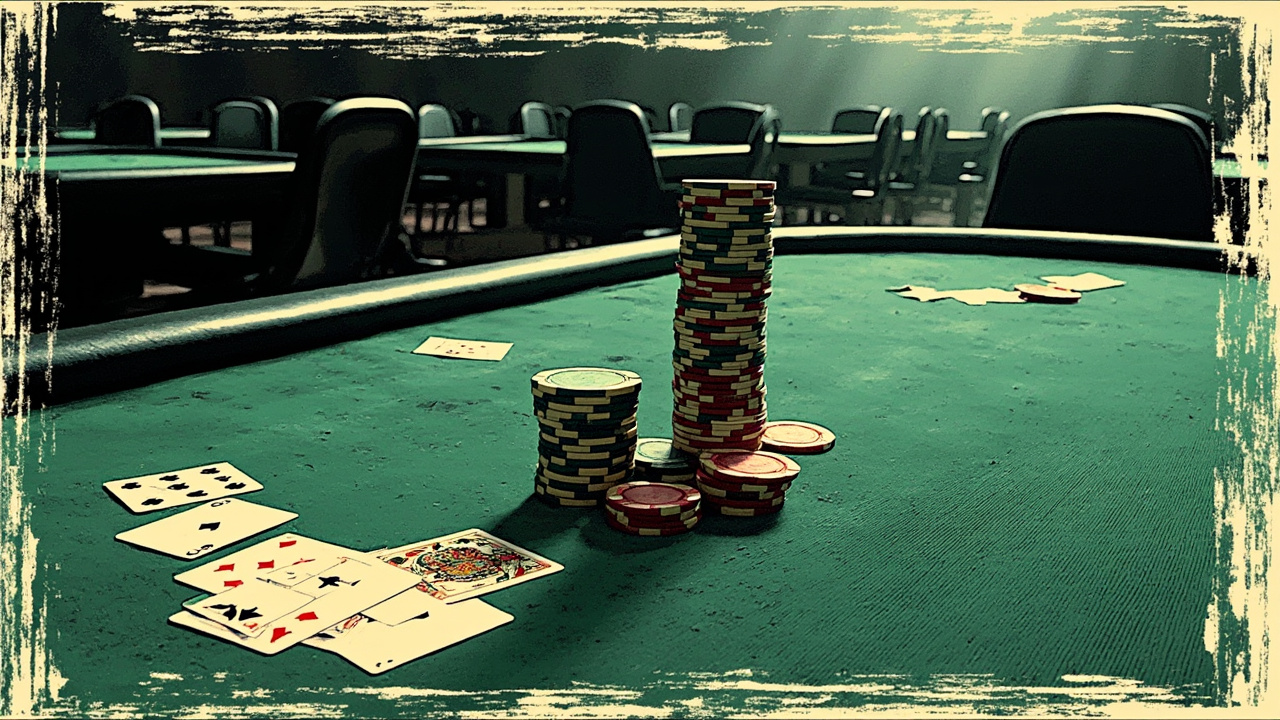
Most Aussie players treat video poker like a slot that pays out on paper, but the math tells a different story. The video poker house edge is not a vague vibe; it is a fixed cut the operator keeps from every dollar cycled through the machine. I build RNG simulations for Easygo Gaming, and I have watched players chase a flashy royal flush while quietly bleeding credits on the 2x and 3x hands. If you want to play with your eyes open, you need to weigh the paytable, the return rate, and how volatility shapes your session.
What the Edge Actually Costs You
The video poker house edge is simply the gap between the theoretical return and the money you actually feed in. On a well-tuned 9/6 Jacks or Better, the return sits near 99.54 per cent, which leaves a thin 0.46 per cent cut for the house. Drop to a short-pay table and that margin climbs fast. I run probability models that show how a 9/7 or 8/5 layout quietly shifts the expected loss over a long arvo session, even when the top hand still looks tempting. The edge is not about whether you hit a big hand; it is about how the paytable rewards the hands you play most often. You can see the same logic when you test a wanted dead or a wild free play, because the demo paytable reveals exactly which hands the maths favours before you commit a cent.
How to Weigh the Numbers Before You Sit Down
Start with the paytable, not the bonus or the spin count. A 9/6 layout pays full house and flush at nine and six coins respectively, and that structure is what keeps the return near the top of the range. When a venue pushes a 8/5 or worse table, the video poker house edge expands because the mid-paying hands shrink, and your overall return drops even if you still chase the royal. I have seen operators advertise a lively theme while quietly trimming those payouts, so you should check the printed table on the screen before you press deal.
Once you confirm the base game math, you can evaluate how the progressive meter and side features influence volatility without compromising that core payout schedule. Testing different bet sizes on a trusted platform will quickly show whether the advertised return holds up across extended play sessions. You can explore these mechanics in depth by visiting the wanted dead or a wild free play demo to watch how the base paytable drives every major win.
Next, look at how the return interacts with your bankroll and your tolerance for swings. Full-pay machines are lower volatility in practice, because the frequent small wins keep the session rolling without dramatic dips. Short-pay tables force you to wait longer between meaningful hits, which feels rougher and tempts you to chase. My simulations at Easygo Gaming show that a player betting one credit per hand on a 9/6 layout will see a steadier run than someone grinding a reduced table, even when both players target the same top hand.
Finally, weigh the bonus and loyalty environment against the raw maths. A venue might offer a cashback slice or a tournament entry, but those perks do not rewrite the paytable. If the base return is weak, a loyalty bump only softens the blow; it does not erase the built-in cut. I always tell players to treat promos as a side note, not the reason to pick a machine, because the video poker house edge is decided by the payouts, not the marketing.
How This Maps to Your Play Style
The right call depends on what you want from the session. If you are after a measured run where the maths stays close to the house line, a full-pay table with disciplined strategy is the cleaner path. If you prefer bigger swings and do not mind a thinner return, a short-pay machine can still be entertaining, provided you accept the higher expected loss up front. I have run enough Monte Carlo passes to know that a patient player on a 9/6 layout will usually outlast someone chasing a reduced table with the same bankroll, simply because the edge is smaller and the mid-paying hands keep the chips moving. No worries if you just want a casual spin, but the numbers do not care about your mood; they only care about the paytable and your decisions.
The real trap is memory. Players often remember wins vividly and forget losses – a bias casinos quietly benefit from. That is why a single big hand can feel like proof that the the company’s resource machine is generous, even when the video poker house edge has been working against you all session. Keep the paytable, the return, and your bankroll limits in front of you, and let the maths do the judging.